
Drone interceptor system
SECTR: Low-Cost Kinetic Drone Interceptor
A drone-on-drone system that finds and defeats hostile small drones, with an operator supervising and approving every engagement.
Prototypes are in active testing and validation.
What it is
An interceptor system built to be deployed widely.
SECTR (Smart Engagement Counter-UAS Tracking & Response) is Talon's counter-small-drone system. SECTR interceptor drones defeat hostile small drones by kinetic impact, which keeps cost per engagement low. Software handles detection, tracking and recommendation, and the operator makes the engagement decision. SECTR is designed for mobile and fixed-site use as a mobile C-UAS layer for bases, convoys and borders. U.S.-designed and built in Nampa, Idaho.
- Drone-on-drone kinetic defeat with low cost per engagement
- Human-supervised autonomy: the operator approves every engagement
- Mobile and fixed-site configurations
- Open architecture for integration with existing C-UAS systems
Product family
One system, built in modules.
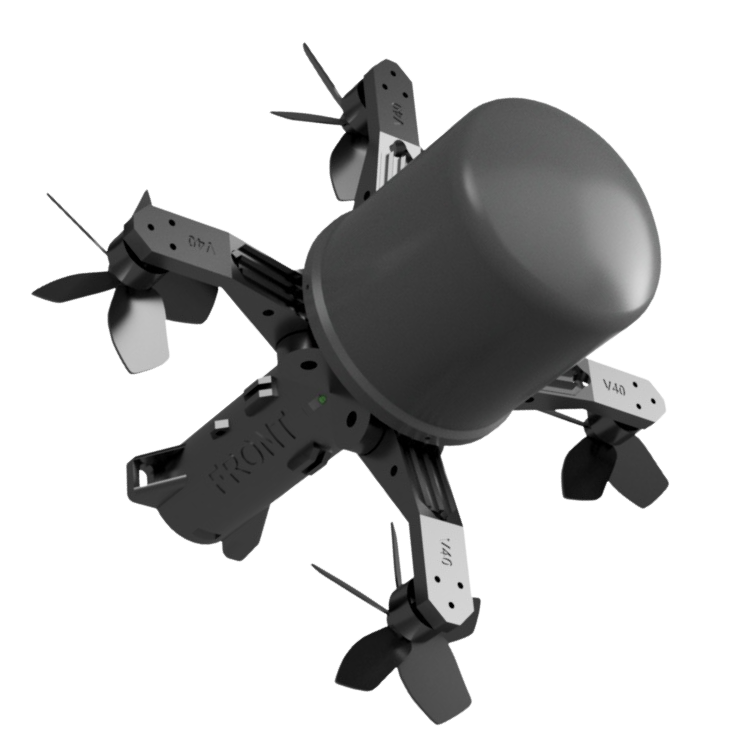
SECTR interceptor drone
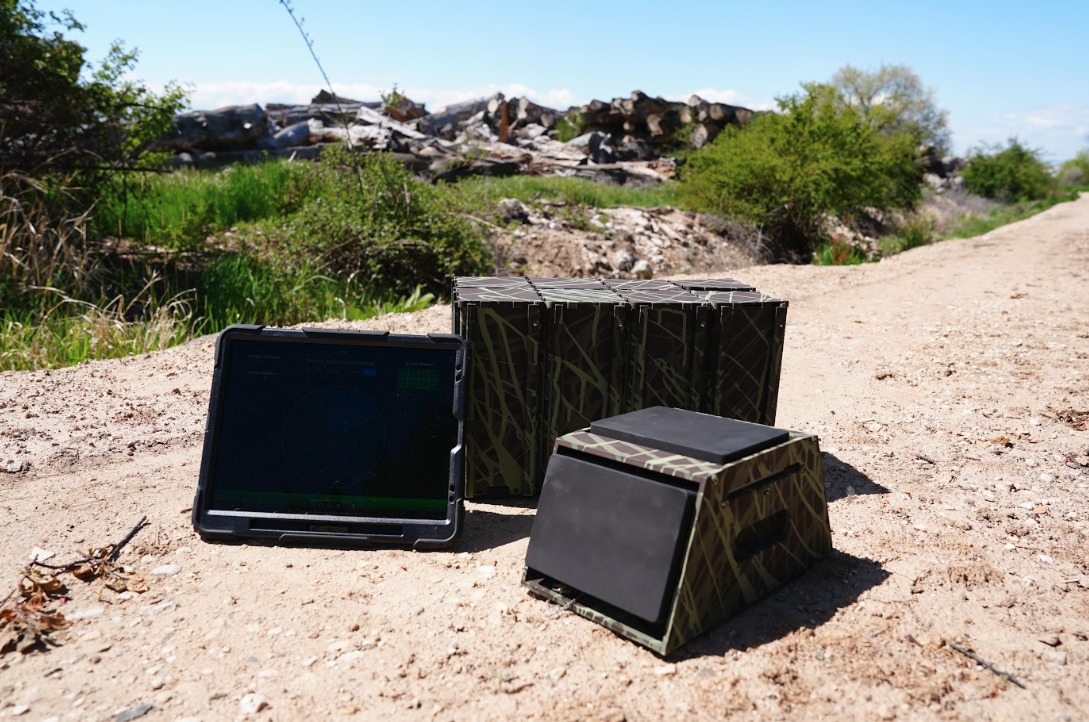
The interceptor itself. Drone-on-drone kinetic defeat, launched only after the operator approves the engagement.
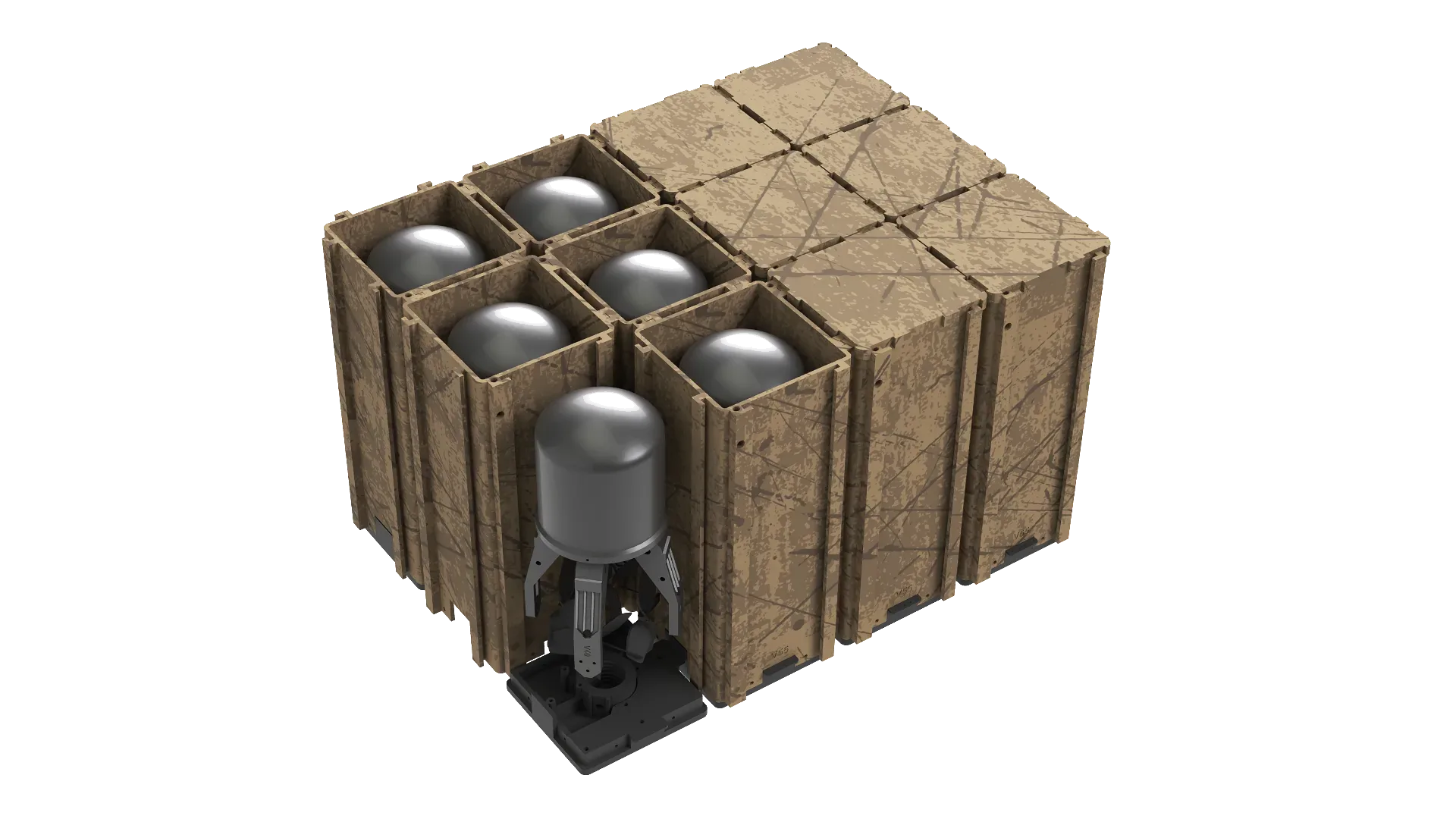
SECTR Base Station
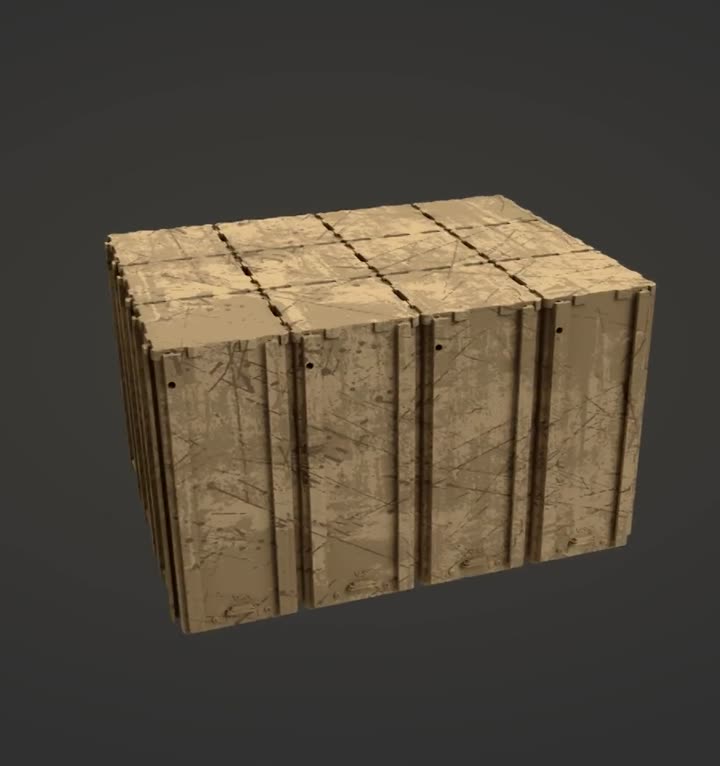
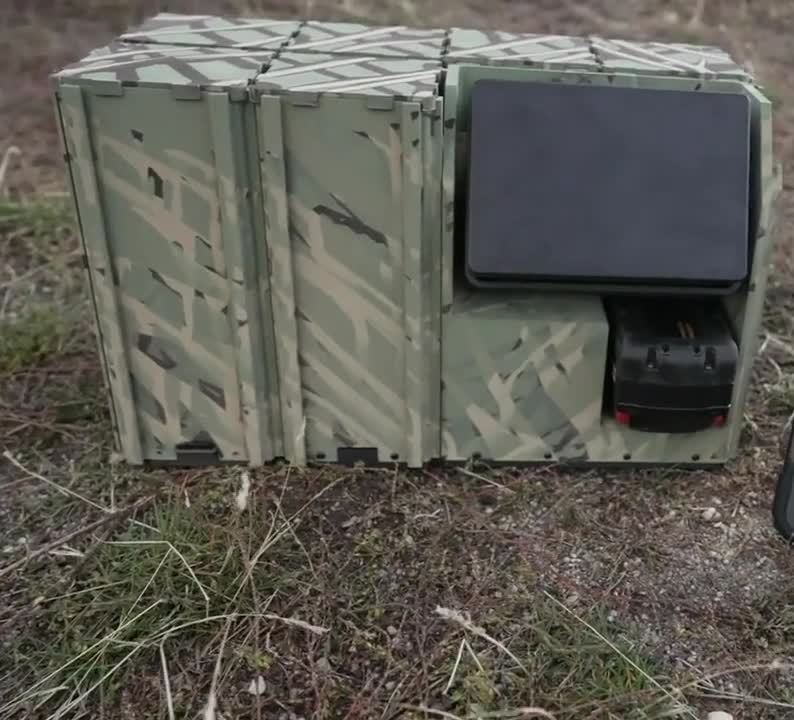
The base that carries and launches SECTR interceptors. Drone-on-drone kinetic defeat at low cost per engagement.
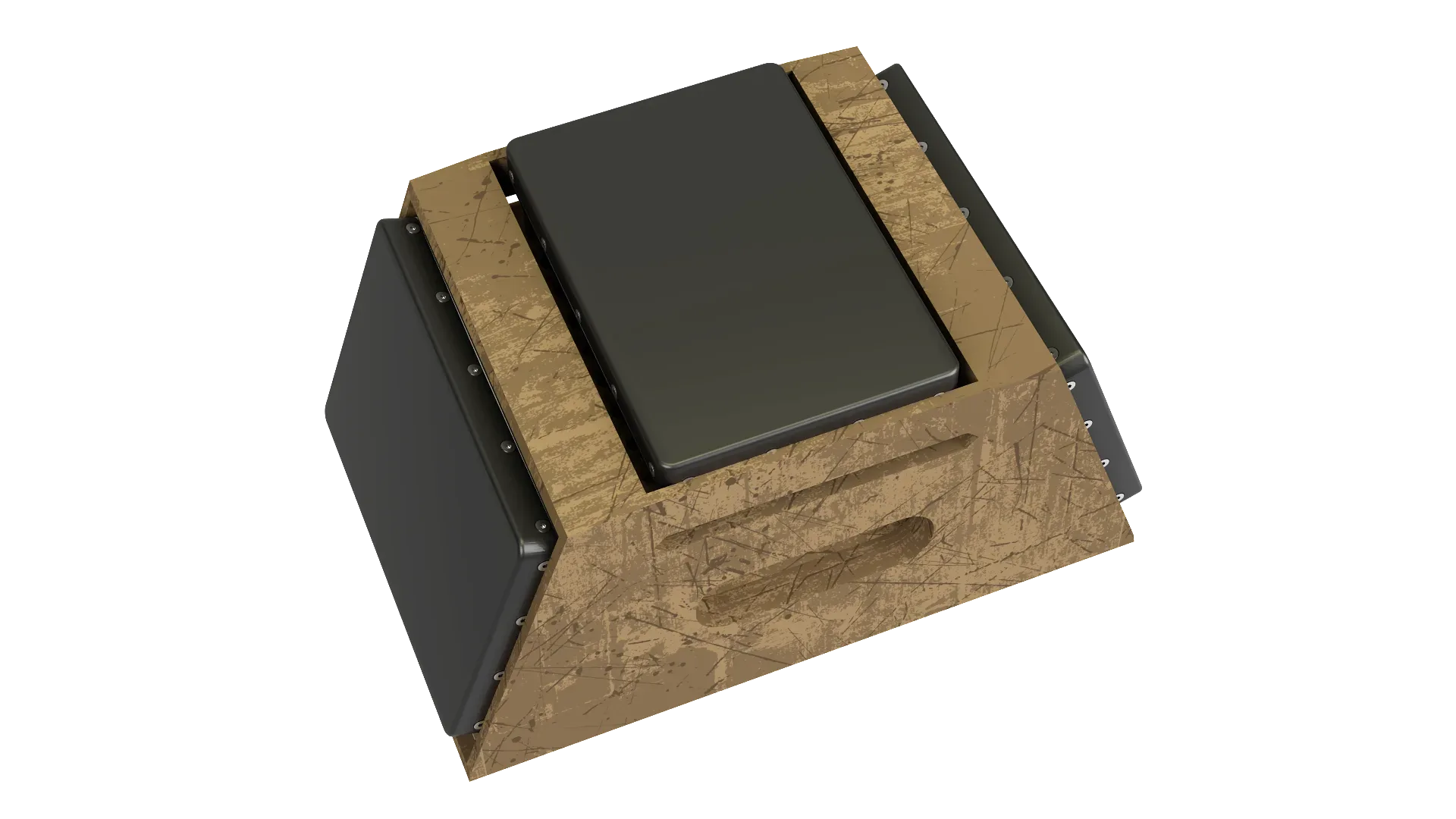
SECTR control station
The operator's station for monitoring threats and approving engagements.
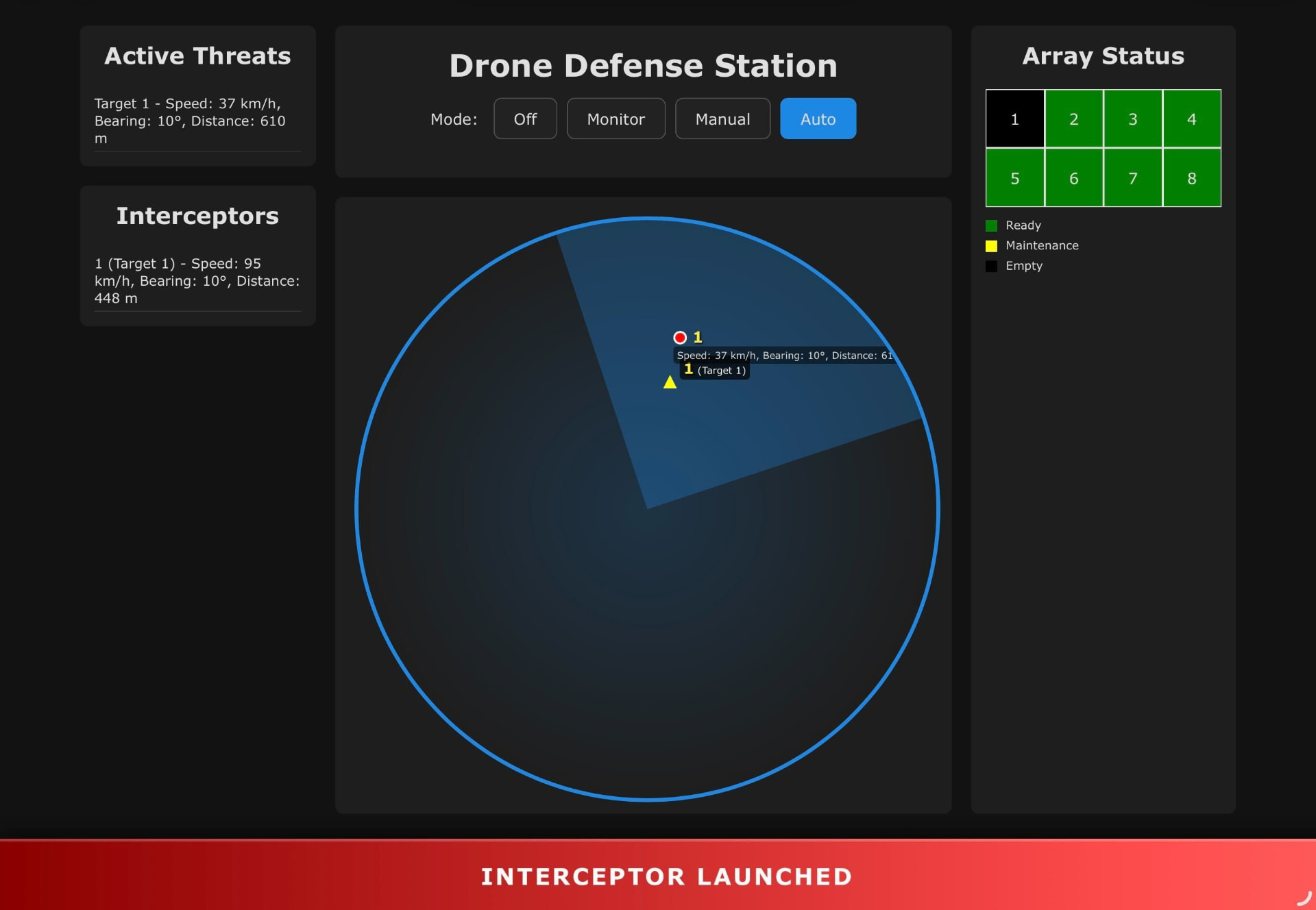
SECTR Software
Software detects, tracks and recommends; the operator approves every engagement.
Operator in the loop
Fast software. Human decisions.
Counter-drone threats move fast, so SECTR's software does the quick work: it detects, tracks and recommends. Every engagement still needs an operator's approval. That keeps a person accountable for what the system does while cutting the workload on the operator.
- Software detects and tracks
- The operator approves or declines
- The interceptor engages only after approval
Deployment
Move it or leave it in place.
SECTR is designed for rapid set-up and repositioning, and for fixed-site use where a position needs standing protection. Intended mounting options include tactical vehicles, mobile trailers, temporary defensive positions and fixed sites.
Integration
Built to work with what you already have.
Layered defense rarely comes from one vendor. SECTR is built on an open architecture designed to integrate with existing C-UAS command-and-control and sensors, so a unit can add interceptors and passive acoustic sensing without starting over.
Status
Where SECTR is today.
Prototypes are in active testing and validation. Performance data is available to qualified government customers on request, through proper channels.
Classified or controlled details are discussed only through proper channels.
Frequently asked questions
What kinds of drones is SECTR designed to counter?
SECTR is designed to counter hostile small drones, including commercial quadcopters, FPV drones, drones operating with little outside control, and modified consumer drones used in asymmetric conflict. Software classifies the threat from sensor data and presents it to the operator.
Does SECTR engage targets on its own?
No. SECTR uses human-supervised autonomy. Software handles detection, tracking and recommendation, and an operator approves every engagement before an interceptor is launched.
What makes SECTR different?
Two things: cost and supervision. SECTR uses low-cost, drone-on-drone interceptors so protection can be deployed widely, and it keeps an operator in control of every engagement. With the SECTR-MTP module, the sensing layer is passive and detects without emitting a signal.
How mobile is the system?
SECTR is designed for rapid deployment and mobility. Intended mounting options include tactical vehicles, mobile trailers, temporary defensive positions and fixed sites, so protection can be set up where it is needed.
What is SECTR's development status?
Prototypes are in active testing and validation. Performance data is available to qualified government customers on request, through proper channels.
Can SECTR protect moving convoys?
SECTR is designed to support protection of convoys and mobile units by combining continuous sensing with interceptors that can be launched while the protected unit is on the move. Mobile-protection use cases are part of our testing and validation.
Can the system detect drones waiting in ambush?
Passive acoustic sensing is designed to pick up a drone's motor sound as soon as it starts. That can give earlier warning than line-of-sight sensors for drones hidden near roads or terrain.
Does SECTR work with systems we already have?
SECTR is built on an open architecture designed to integrate with existing C-UAS command-and-control and sensors. Tell us what you operate today and we will discuss integration.
Is SECTR subject to export controls?
Talon's products and technical information are subject to U.S. export-control laws, and international discussions follow those rules.
Next step
Discuss your mission requirements.
Tell us what you need to protect and on what timeline.
Classified or controlled details are discussed only through proper channels.